Floral Clipart Watercolor Graphics & Illustrations Review
I have spent years building handmade product lines for craft fairs, Etsy shops, and custom client orders. During that time I have tested hundreds of graphic design assets. Some look beautiful on screen but fall apart the moment you send them to a cutting machine or try to print them on a mug. Others become the backbone of an entire seasonal collection. When I first opened this floral watercolor design set, I immediately started picturing where it would fit into my spring product lineup. It is one of those illustration bundles that makes you want to clear your workbench and start creating right away.
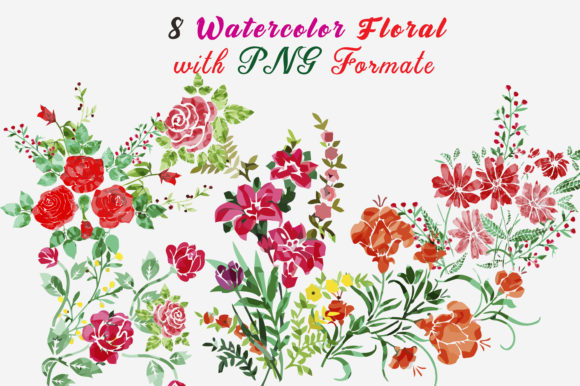
This collection features eight hand painted watercolor elements. They carry that soft, organic quality you only get from real brushwork. The petals have gentle transparency shifts. The leaves show subtle pigment pooling at the edges. These are not flat vector shapes pretending to be watercolor. They carry the texture and warmth of actual painted botanical studies. For crafters who build brands around a natural, romantic, or gently rustic aesthetic, this type of graphic design asset can become surprisingly versatile across multiple product categories.
First Impressions and the Mood This Floral Watercolor Set Creates
The moment I previewed these eight watercolor elements, I recognized a style that appeals to a very specific buyer. This is not bold tropical foliage or crisp modern line art. It sits comfortably in the space between elegant garden romance and soft cottagecore charm. The blooms feel delicate without being fragile. The leaves have enough structure to hold their shape when resized, yet they keep that loose painted personality. I could immediately imagine these illustrations printed on cream-colored cardstock for wedding invitation suites or layered over blush pink backgrounds for baby shower decorations.
From a handmade business perspective, this mood translates into real customer interest. Buyers looking for feminine, nature-inspired, or vintage-adjacent designs gravitate toward watercolor florals. They purchase greeting cards with these motifs. They choose gift tags featuring soft blooms for Mother's Day orders. They request custom tote bags with botanical accents for bridal party gifts. If your shop already carries products aimed at these customers, a floral clipart watercolor design like this can slot directly into your existing product lineup without requiring a full rebrand.
How I Planned to Use These Graphics Across a Real Product Line
Let me walk you through the actual project I built around these illustrations. I was preparing a small batch of coordinated products for a local spring craft fair. My goal was to create a cohesive table display where every item felt connected through shared floral motifs. I needed designs that could work across paper goods, wearable items, and small home decor pieces without looking repetitive. The eight hand painted elements gave me enough variety to spread across multiple product types while keeping the collection visually unified.
I started by selecting four of the larger bloom illustrations for a set of printable wall art pieces. I placed each flower on a soft off-white background with a simple hand-lettered quote beneath it. These were printed on textured fine art paper and slipped into simple wooden frames. The watercolor translucency looked stunning against the paper texture. Those four prints became the anchor products on my display table. They drew customers in from across the room and gave me an easy conversation starter about the hand painted quality of the designs.
Next I pulled two of the more compact floral elements for a sticker design project. I created kiss-cut sticker sheets with multiple smaller blooms arranged in a decorative pattern. These stickers sold as standalone products and also served as free gift inserts tucked into every bag. Customers loved them. Several people came back to purchase additional sticker sheets for their own planner decoration and scrapbooking projects. The PNG files had clean transparency, which made the sticker layout process smooth in my design software.
For the wearable portion of my craft fair inventory, I selected one standout floral illustration and adapted it for a t-shirt design and a canvas tote bag. I used the design as a sublimation transfer on a light heather gray shirt, and the soft watercolor petals transferred beautifully. On the tote bag I positioned the same bloom slightly off-center with a simple serif font quote beneath it. Both items sold out before the end of the second day. Customers responded to the gentle, artistic quality that felt different from the bolder graphic tees they had seen elsewhere.
Where These Floral Illustrations Perform Best in a Handmade Business
Through testing across my own product categories, I have identified the applications where this floral clipart watercolor design genuinely shines. The soft painted edges and translucent layers look exceptional on paper products. Greeting cards, gift tags, party invitations, thank-you notes, and printable wall art all benefit from the delicate brushwork. The watercolor texture adds a handmade feel even when the item is produced in batches. For Etsy sellers offering printable products, these elements create instant perceived value because they look like custom commissioned artwork rather than mass-produced clipart.
Mug designs and tumbler wraps also work remarkably well with these illustrations. The key is selecting the right background color. On white or cream ceramic mugs, the watercolor petals look luminous. On stainless steel tumblers with a white or pale pink base coat, the designs feel fresh and modern. I have also seen beautiful results when crafters use single blooms as the focal point for round coaster sets or small decorative trinket trays.
For small business branding, these graphics offer practical value beyond the products themselves. I used one of the smaller floral elements on my thank-you card inserts and branded tissue paper stickers. Having a consistent botanical accent across packaging, product tags, and shop signage created a polished, professional impression at the craft fair. Customers noticed the cohesive branding and several commented on how put-together my booth looked. Graphic design assets that can serve double duty for both products and branding are always worth the investment.
Technical Details Crafters Need to Check Before Cutting or Printing
No graphic design asset is perfect for every application, and experienced crafters know the importance of testing before committing to a full production run. With watercolor illustrations in particular, there are a few technical factors worth examining closely. Start by opening every file and checking the resolution at the size you intend to use it. These PNG files arrived at a resolution suitable for most printable and sublimation projects, but I always recommend zooming in to confirm edge crispness before sending anything to print. For sublimation designs specifically, check that your color profile matches your printer and blank product. Watercolor colors can shift slightly during sublimation, so a test press on a scrap blank is essential.
If you plan to use these designs as SVG cut files with a Cricut or Silhouette machine, examine the line complexity carefully. Watercolor elements with soft feathered edges will not translate directly into clean cut paths. You may need to trace the outer silhouette and create a simplified cut line if you want to produce vinyl decals or layered iron-on designs. The organic shapes work beautifully as print-then-cut images, where the machine prints the watercolor texture onto sticker paper or printable vinyl and then cuts a smooth contour around the edge. I used this method for my sticker sheets and the results were excellent with minimal weeding effort.
Thin painted strokes and low-contrast areas within the illustrations deserve special attention. Some of the more delicate leaf veins or petal edges may become difficult to see on dark-colored products or when printed at very small sizes. Test at the smallest scale you plan to offer. If a bloom looks muddy on a navy blue tote bag at four inches wide, consider enlarging it or switching to a lighter product color. For small stickers or tiny gift tags under two inches, select the simpler elements from the collection with fewer intricate details.
Pairing These Watercolor Elements with Fonts and Layouts
One of the most common questions I hear from fellow handmade sellers is how to pair watercolor illustrations with typography. These floral elements have a soft, romantic, slightly traditional feel. They pair effortlessly with script fonts that have moderate flourishes and natural letter connections. A flowing handwritten font placed beneath a single bloom creates an elegant composition for wedding signage or greeting card fronts. Serif fonts with gentle curves and classic proportions also complement the painted style without competing for attention.
If your brand leans more modern, try pairing a single clean sans serif font with these illustrations. The contrast between structured typography and loose watercolor petals can feel fresh and contemporary. I used this combination on my tote bag design and the result appealed to customers who wanted something artistic but not overly frilly. Display fonts with tall letterforms or subtle decorative details also work well for title treatments on printable wall art or event signage. The key is letting the floral element remain the star while the text supports the overall composition without crowding it.
Commercial Use Considerations for Etsy Sellers and Craft Fair Vendors
Before incorporating any graphic design asset into products you plan to sell, confirm the commercial license terms. Many illustration bundles include a standard commercial license that covers physical product sales and printed items. Others restrict the number of units you can sell or require an extended license for certain product types. Read the license document carefully. If the terms allow you to create and sell finished handmade products like mugs, shirts, stickers, tote bags, and printed wall art, you have a solid foundation for building inventory. If you plan to offer printable digital products where customers receive the file directly, verify that the license permits digital redistribution in that format.
Keep your license documentation organized and accessible. I maintain a simple spreadsheet with each design asset I purchase, the shop name, the license type, and any usage restrictions. This small habit has saved me stress when preparing for large events or restocking popular items. Knowing exactly which illustrations are cleared for commercial use means I can focus on creating without second-guessing whether a particular design belongs in my product lineup.
Building a Seasonal Collection Around Hand Painted Floral Graphics
This collection of eight hand painted watercolor elements arrived at the perfect moment for my spring product planning, but the versatility extends beyond a single season. Soft florals work for Mother's Day gift products, bridal shower decorations, summer garden party themes, and early fall harvest collections when paired with warmer accent colors. I have already sketched out ideas for using these same illustrations on holiday gift tags by adding a subtle gold foil accent and deep green foliage from another bundle. Layering design assets across seasons is a strategy that helps handmade businesses maximize their investment in quality graphics.
For crafters who sell at multiple markets throughout the year, owning a dependable floral illustration set provides a foundation you can return to repeatedly. Change the background color, swap the accompanying font, or combine the blooms with different decorative elements, and the designs feel new each season. The eight unique elements in this collection offer enough combinations to keep a product line feeling fresh without requiring you to purchase new graphics for every holiday or event.
After several weeks of using this floral clipart watercolor design across my spring product line, I can confidently say it has earned a permanent place in my design asset library. The hand painted quality attracts the exact customers my brand aims to reach. The file quality supports professional printing and cutting workflows. The variety within the eight elements provides creative flexibility without overwhelming my design process. Whether you run a full-time Etsy shop, sell occasionally at weekend markets, or just love creating beautiful handmade gifts, illustrations of this caliber make the crafting experience more enjoyable and the finished products more sellable.