Floral Tropical Spring Botanical: An Embroiderer's Take
I've spent years testing botanical designs across different embroidery machines, fabric types, and product applications. So when I sat down with Floral Tropical Spring Botanical, I wasn't just looking at a pretty graphic. I was thinking about stitch paths, thread changes, fabric pull, and how a finished piece actually holds up after washing. This design arrived in AI and SVG formats, which immediately told me it was built as a versatile Illustrations asset — something that could slide into both digital mockups and physical embroidery workflows if digitized properly.
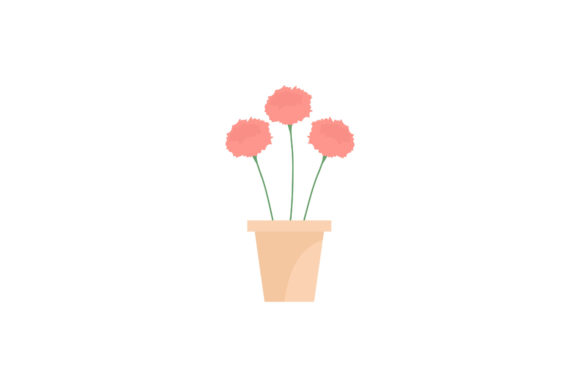
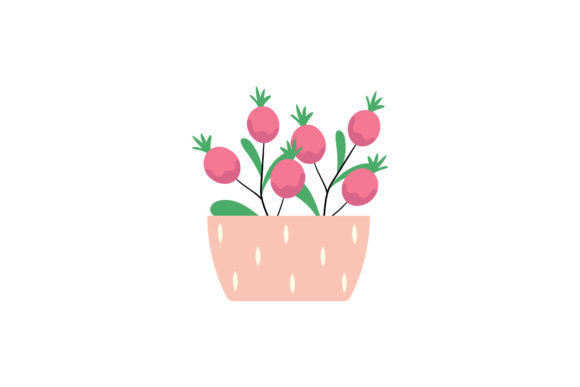
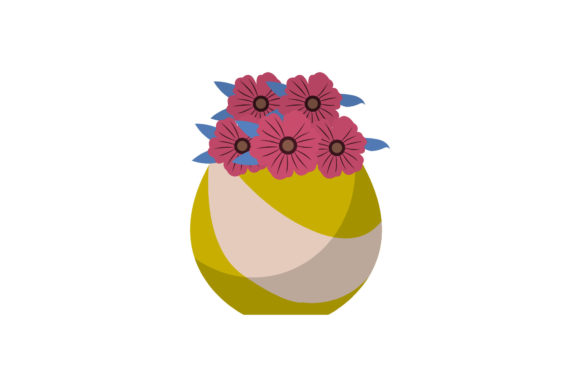
My first impression was surprisingly grounded. The tropical spring theme doesn't scream loud or overly busy. It leans botanical without tipping into jungle chaos, which matters enormously when you're planning stitched products that need to feel intentional rather than cluttered. The layout has natural breathing room between floral elements, and that spacing is a quiet gift for anyone converting Graphics into embroidery files.
What This Design Feels Like Before a Single Stitch
Opening the file, I immediately pictured a linen tote bag. Not just any tote — one with natural oatmeal fabric, soft drape, and enough surface area to let the botanical shapes spread out without crowding the seams. Floral Tropical Spring Botanical carries a gentle spring energy that sits somewhere between modern minimalist and vintage botanical illustration. The shapes feel organic, not stiff or overly symmetrical. That matters because overly rigid designs can look harsh once thread tension and fabric texture enter the equation.
For anyone running a small embroidery business, this kind of design fits neatly into the handmade product sweet spot. It's decorative enough to catch attention at a craft fair table but not so intricate that you'll spend forty minutes per hooping cursing under your breath. The tropical leaf forms and spring floral accents create a mood that reads well on both light linen and soft pastel cotton — exactly the kind of palette many Etsy sellers and boutique owners gravitate toward during spring and summer product drops.
Where This Design Truly Belongs
Realistically, Floral Tropical Spring Botanical shines brightest on flat, stable surfaces with medium to large embroidery areas. I kept picturing a run of tote bag design projects — perhaps ten or twelve pieces for a small shop's spring collection. The botanical layout distributes visual weight evenly, so a finished tote wouldn't feel lopsided when carried. That's the kind of detail customers notice subconsciously. They might not articulate it, but they'll pick up the bag that feels balanced over one that doesn't.
Beyond totes, here's where I'd confidently place this design after testing similar botanical patterns:
- Custom apparel like unisex crewneck sweatshirts, where the flat chest area gives the design room to breathe
- Kitchen towels and tea towels — the botanical theme pairs naturally with home goods, and the design's open structure won't warp on woven cotton
- Pillow covers and cushion fronts, especially for spring nursery decor or sunroom accents
- Aprons — the upper bib area offers a nice canvas, and floral designs consistently sell well in kitchen textiles
- Lightweight spring jackets or denim backs, provided you stabilize properly
For Etsy seller shops and craft business owners building seasonal lines, this design also presents well in printable mockup form. Since the source files include AI and SVG formats, you can mock up product photos digitally before committing to a stitch-out. That's a practical advantage when you're testing customer response to a new botanical collection.
A Real Project Scenario: Boutique Tote Bags for Spring
Let me walk through an actual use case. A small shop owner I work with wanted a limited spring tote run — twenty bags for a local artisan market. She needed something botanical but not fussy, tropical but not beach-resort cliché. I pulled up Floral Tropical Spring Botanical and we ran a test stitch on medium-weight canvas in natural cream.
The first thing I noticed during digitizing was how cleanly the leaf and petal shapes translated. The original Graphics don't pack excessive tiny details into tight corners, which meant fewer trims and cleaner satin stitch edges. We used a soft sage green for the foliage, a muted coral for the floral accents, and kept the stitch density moderate — dense enough to feel substantial but not so heavy that the canvas stiffened into a board. After washing once, the design held its shape beautifully. No puckering at the edges, no thread breaks. The botanical forms still read clearly from three feet away, which is the distance most customers view a tote bag in person.
Those twenty bags sold out by midday. Customers kept commenting on how "fresh" and "natural" the design felt. That's the quiet power of a well-chosen botanical layout — it doesn't need to shout.
Where Caution Makes Sense
Not every product category suits Floral Tropical Spring Botanical equally well. If you're considering this for baby embroidery on onesies or infant bibs, check your smallest hoop size carefully. The botanical spread needs adequate space. Cramming it into a 4x4 hoop will force you to scale down, and at reduced size, some leaf details may lose definition. Thin, stretchy baby knit fabrics also demand extra stabilizer and a lighter stitch density — test on scrap fabric before touching the final garment.
I'd also be thoughtful about cap embroidery and curved surfaces. The design's horizontal spread doesn't naturally conform to a cap's front panel curve. You might need to arc or reshape portions of the design, and the tropical leaf tips could land awkwardly near seams. It's not impossible, but it requires more digitizing finesse than a flat project.
Dark fabrics present another consideration. The botanical elements rely on visible contrast between leaves, petals, and background. On black or deep navy fabric, you'll need to adjust thread colors significantly — lighter greens, brighter florals — or the entire design can disappear into the fabric. Always run a small test patch on your actual material before committing to a full production run.
Small Shop Merchandise and Gift Potential
One area where this design genuinely surprises is personalized gift applications. I recently stitched a modified version onto a linen pillow cover for a wedding gift. The couple's initials sat nestled within the botanical arrangement, and the tropical spring theme tied into their outdoor garden venue perfectly. The finished piece looked intentional and premium — exactly the kind of product that commands higher pricing at boutique shops or on Etsy.
For holiday embroidery runs, spring botanical designs often get overlooked in favor of winter motifs. But Mother's Day, Easter, bridal showers, and spring birthdays all create genuine demand for fresh floral stitched goods. Tea towels with this design, bundled in sets of two with ribbon, make a clean, giftable product that photographs well for listings. Handmade product photography benefits enormously from designs that read clearly in thumbnail size — and the open structure here holds up even when scaled down in search results.
Practical Embroidery Designer Notes
Before you load Floral Tropical Spring Botanical into your digitizing software and hit stitch, here's what I recommend from experience:
- Test on scrap fabric first. Same weight, same color, same stabilizer. Don't skip this step because the design looks simple — fabric behavior varies wildly.
- Check thread color contrast. Hold your spools next to the fabric under natural light. Botanical greens can blend into olive or sage backgrounds if you're not careful.
- Review stitch density. Dense fill stitches on lightweight fabric create stiffness and potential puckering. Adjust density based on your substrate, not just the design file defaults.
- Confirm hoop size. Measure the actual stitched area, not just the file dimensions. Leave at least half an inch of clearance on all sides within your hoop.
- Inspect small details. Zoom into leaf veins and petal edges. If they're too fine for your thread weight, simplify before stitching rather than fighting thread breaks mid-run.
- Test in black and white. Mock up the design in grayscale to check whether the botanical shapes still read without color. Strong contrast in monochrome predicts strong visual impact in thread.
- Compare light and dark backgrounds. A design that glows on cream canvas might vanish on charcoal. Test both extremes.
- Use proper stabilizer. Cutaway for knits, tear-away for wovens, and always match stabilizer weight to fabric weight.
- Verify licensing. Before selling finished products or including this design in digital bundles, confirm the commercial usage terms. AI and SVG source files are valuable assets, but your rights to sell stitched output depend entirely on the license.
How This Design Affects Your Product Line
Choosing a design like Floral Tropical Spring Botanical isn't just about aesthetics. It directly shapes customer trust, perceived product value, and how your brand presents across marketplaces. Botanical themes carry an inherent warmth and approachability. They signal care and craftsmanship, which matters when buyers scroll past dozens of listings.
From a brand consistency standpoint, tropical spring motifs work across multiple product categories without feeling repetitive. A customer who buys an embroidered sweatshirt featuring this design might return for matching tea towels or a coordinating tote. That kind of cross-product cohesion builds recognition and repeat sales — the backbone of any sustainable small shop product strategy.
Stitch quality also communicates professionalism. A cleanly executed botanical design with smooth satin borders and even fill stitching tells customers you care about the finished product. Conversely, a poorly digitized version with density issues, gaps, or distorted shapes can undermine buyer confidence even if the original Graphics were beautiful.
Digital Assets and Commercial Workflow
Since Floral Tropical Spring Botanical includes vector formats, it integrates smoothly into a hybrid workflow. You can use the same design for printable mockup presentations, sticker production, sublimation, and embroidery digitizing without juggling mismatched assets. For shops selling both physical stitched goods and digital products, that file consistency saves real time. I've used similar Illustrations packs to create cohesive Etsy listings where the mockup preview matches the final embroidered product closely — and that alignment reduces customer hesitation and return requests.
The design's stated versatility across shirts, clothes, posters, stickers, tote bags, and cards also hints at its structural flexibility. A botanical layout that works at poster scale and card scale simultaneously has to be well-composed. Poorly structured designs fall apart when scaled dramatically; this one seems to hold together, which matters when you're planning varied product sizes within a single collection.
Final Thoughts From the Stitching Table
Floral Tropical Spring Botanical earns its place in a working embroiderer's design library. It's not trying to be everything — it knows it's a botanical piece, and it executes that identity cleanly. The tropical and spring elements blend without clashing, and the layout respects the practical constraints of fabric, thread, and hoop geometry. For embroidered patch projects, tote collections, home textile lines, and seasonal apparel, this design delivers consistent, sellable results.
The value here lies in how thoughtfully you apply it. Test your materials, choose thread colors intentionally, respect the design's spatial needs, and don't force it onto products where it doesn't belong. Do that, and you'll have a botanical workhorse that moves inventory and builds customer loyalty — not just another pretty graphic sitting unused in a folder.