Living Room Floral Design Interior – Embroidery Review
I have been working with embroidery designs long enough to know that not every floral illustration translates beautifully into thread. When I first opened Living Room Floral Design Interior, I was not just looking at a graphic. I was already imagining how it would feel stitched onto a linen pillow cover sitting on a client's sofa, or how the linework would read on a structured tote bag carried through a weekend market. That is the mindset you need when evaluating a design asset for real embroidery use, and I want to walk you through exactly what I saw and what I would trust this design to do.
The file comes from the Illustrations category, classified as Graphics, and the seller has provided six digital files built on a generous 3000px by 2000px canvas. You receive one AI file, one EPS file, one SVG file, and one DXF file. Right away, that format lineup tells me this is not a ready-to-stitch machine embroidery file. It is a high-quality vector illustration that you or your digitizer will need to convert into an embroidery file. If you are an embroidery designer who does your own digitizing, or you work with a professional digitizer, having clean source files like these makes the conversion process significantly smoother. The SVG and EPS formats are especially useful because they preserve scalable paths, which can be imported directly into embroidery software for manual or auto-digitizing workflows.
The Mood That Hits You First
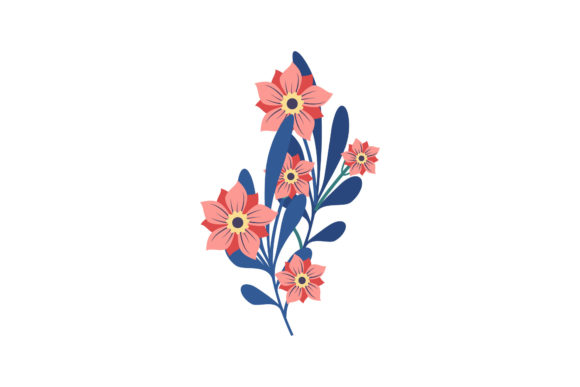
Living Room Floral Design Interior carries a soft, welcoming personality. It does not feel like a wild botanical explosion or a stiff, formal arrangement. Instead, it reads like a curated floral moment, the kind of composition you would expect to see framed on a wall in a cozy, well-loved living space. The layout suggests a balanced cluster of blooms and foliage, thoughtfully arranged without becoming overcrowded. That matters for embroidery because overly dense visual clusters can turn into muddy stitch areas, especially on textured fabrics. This design feels airy enough to breathe, which gives me confidence that stitch definition will hold up well even at moderate hoop sizes.
If I had to describe the emotional pull, I would say it leans toward gentle elegance rather than loud statement. It feels like something a customer would choose for a wedding gift, a nursery accent, or a boutique home décor piece. That kind of buyer is discerning. They notice when a floral design looks cheap or rushed. Living Room Floral Design Interior avoids that trap. It feels intentional and warm, the sort of visual that makes a handmade product feel more valuable before a single thread is laid down.
Where This Design Naturally Belongs
I could immediately picture this design on a set of embroidered pillow covers for a small shop that specializes in modern farmhouse aesthetics. The floral arrangement has a timeless quality that fits linen, cotton canvas, and even soft cotton blends. I also thought about tea towels. A single, well-placed embroidery of this design near the hem of a flour sack towel would elevate it from simple kitchen linen to a giftable, boutique-worthy product.
Another strong candidate is the custom tote bag. I recently prepared a batch of embroidered totes for a client who wanted something that felt both artistic and approachable. Living Room Floral Design Interior would have been a perfect match. The composition is self-contained, which makes it easy to position on a flat bag panel without awkward cropping. On a structured tote, the design would anchor the front face beautifully, drawing the eye without overwhelming the bag's shape.
Apparel is where I get a bit more selective. A lightweight sweatshirt with a subtle texture could carry this design well, especially placed off-center on the chest or across the upper back. I would avoid using it on highly stretchy fabrics unless you are confident in your stabilizer choices and digitizing adjustments. The floral details, while not excessively fine, still need a stable surface to retain their shape after washing. For baby clothes, the softness of the floral theme makes sense, but I would scale the design down carefully and test on scrap fabric first. Tiny petals can close up fast if the stitch density is not dialed in properly.
Real Stitching Concerns Every Designer Should Consider
Before you commit Living Room Floral Design Interior to a production run, there are practical realities to think through. The first is hoop size. The source canvas is 3000px by 2000px, which is a 3:2 aspect ratio. If you plan to digitize the design at full scale for embroidery, you will need a hoop that accommodates a moderately wide composition. That is not a dealbreaker, but it means this is probably not a design you will squeeze into a tiny 4x4 hoop without losing meaningful detail. I would target a hoop size of at least 5x7 inches for a faithful rendering, and larger if you want the floral elements to read clearly on textured backgrounds.
Fabric texture is another factor that separates a smart digitizer from a frustrated one. On smooth cotton or linen, the satin stitches and fill areas derived from this illustration will look crisp and intentional. On a napped fabric like fleece or a loosely woven burlap, those same stitches can sink in and lose their edge. I always recommend testing on the exact fabric you plan to sell, not just on a smooth test swatch that behaves differently from the final product.
Dark fabrics demand extra attention. The floral composition in Living Room Floral Design Interior appears to rely on a balance of light, mid-tone, and potentially darker accent elements. If you stitch this onto a black or charcoal background, lighter thread colors will pop, but any dark green foliage or shadow elements may disappear into the fabric. You may need to adjust thread color choices or add a light underlay to preserve the depth of the original illustration. I have made that mistake before, digitizing a beautiful design only to watch half the detail vanish on a dark hoodie. Check your mockup in black and white before you finalize anything.
Thread Choices and Stitch Personality
The floral theme naturally invites a thoughtful thread palette. I would lean into muted, sophisticated tones, soft blush pinks, sage greens, dusty blues, and warm cream accents, to match the living room vibe the design evokes. That palette photographs beautifully for Etsy listings and craft fair displays. Customers respond to products that feel coordinated and intentional, and thread color is one of the easiest ways to signal quality before they even touch the item.
In terms of stitch types, your digitizer will likely map satin stitch to the petal edges and leaf contours, with fill stitch handling broader interior areas. Running stitch can define delicate vein lines or subtle detail accents without adding bulk. If the original illustration includes any tiny decorative dots or fine line flourishes, those need to be evaluated carefully. At small sizes, they may not translate well and could be better simplified or omitted in the embroidery version. A good digitizer will know when to preserve detail and when to edit for stitchability.
The Customer Perspective and Perceived Value
When I assess a design for my own product line, I always ask what a buyer sees when they scroll past a listing photo. Living Room Floral Design Interior has a quiet confidence that appeals to the kind of customer who wants their handmade purchase to feel like a curated find rather than a crafty afterthought. That matters for pricing. A pillow cover with a generic flower slapped in the center will struggle to command a premium. The same pillow cover carrying a well-digitized version of this design can justify a higher price point simply because it looks intentional and complete.
Giftability is another metric I weigh. This design suits occasions where the gift needs to feel personal but not overly specific, housewarmings, bridal showers, Mother's Day, or a thank-you gesture. It avoids seasonal clichés, so the product does not expire on December 26th or the day after Valentine's Day. That kind of year-round relevance keeps inventory moving and reduces the pressure to constantly refresh your product lineup.
A Real Project Scenario With Honest Takeaways
Let me share a concrete example. A few weeks ago, I was preparing a small collection of embroidered aprons for a boutique client who wanted to offer something fresh for spring. The brief was simple, botanical, understated, and practical enough that the apron could go from the kitchen to a market stand without feeling out of place. I reviewed several illustration files, and Living Room Floral Design Interior would have been a strong contender.
I would have placed the digitized version on the upper bib of the apron, centered above the waistline. The horizontal flow of the composition suits that placement well. I would have used a medium-weight cutaway stabilizer to keep the stitching stable through repeated washing, and I would have chosen thread colors that complement natural linen. The result would have been an apron that felt elevated but not fussy, exactly what a boutique customer expects for the price they are paying.
The only hesitation I would have flagged is the need to confirm that the design's finer interior elements digitize cleanly. Without seeing the actual vector paths in advance, I would always recommend importing the SVG or AI file into your embroidery software and examining the level of detail at the intended stitch size. Some floral illustrations include delicate linework that looks beautiful on screen but becomes problematic when converted to stitches smaller than a few millimeters. A quick test run on scrap fabric solves that uncertainty in under an hour.
Commercial Use and Selling Finished Products
If you are an Etsy seller, a craft fair vendor, or a small shop owner, the commercial usability of a design asset is non-negotiable. Living Room Floral Design Interior is sold as a digital illustration file, which means you need to check the seller's licensing terms before you digitize and sell finished embroidered products. Most digital illustration licenses allow physical product sales, but some restrict commercial use or limit the number of units. Do not assume. Verify the license, keep a copy of your purchase receipt, and if the terms are unclear, message the seller directly. That five-minute step protects your business from unnecessary risk.
For those who sell digital embroidery files rather than finished goods, the same caution applies. Converting an illustration into an embroidery file and reselling it as a digital product is a different use case, and it may require an extended license or explicit permission. Transparency with your customers builds trust, and trust keeps your shop sustainable.
Final Practical Notes for the Craft Bench
Before you commit Living Room Floral Design Interior to any project, here is the checklist I would personally run through. Test the digitized version on the exact fabric you intend to use. Evaluate thread color contrast against both light and dark backgrounds. Confirm that your hoop size comfortably fits the stitched area with adequate clearance. Check that small interior details read clearly at the final size. Use a stabilizer appropriate for the fabric weight and stretch. Wash the test piece at least once to see how the stitches settle. And confirm the seller's license covers your intended use, whether personal or commercial.
Living Room Floral Design Interior brings a composed, gentle floral aesthetic that translates well into home décor embroidery, custom gifts, and boutique accessories. It is not a one-click embroidery file, you will need to digitize it or hire a digitizer, but the vector formats provided give you a solid foundation for that work. If you approach it with the care it deserves, the finished product will feel polished, gift-worthy, and quietly confident, exactly the qualities that keep customers coming back.